
AI Study : The global butterfly effect of a geopolitical conflict
Discover how an asymmetric, naval, and aerial war can transform the global economy, disrupt supply chains, and directly affect the daily lives of millions of people.
About the study
The report explains that, in a hyperconnected world, a high-intensity geopolitical conflict no longer only affects the territory where it takes place. In 2026, the combination of military attacks, energy pressure, strategic blockades, disinformation, and contradictory diplomatic messages turns war into a global crisis.
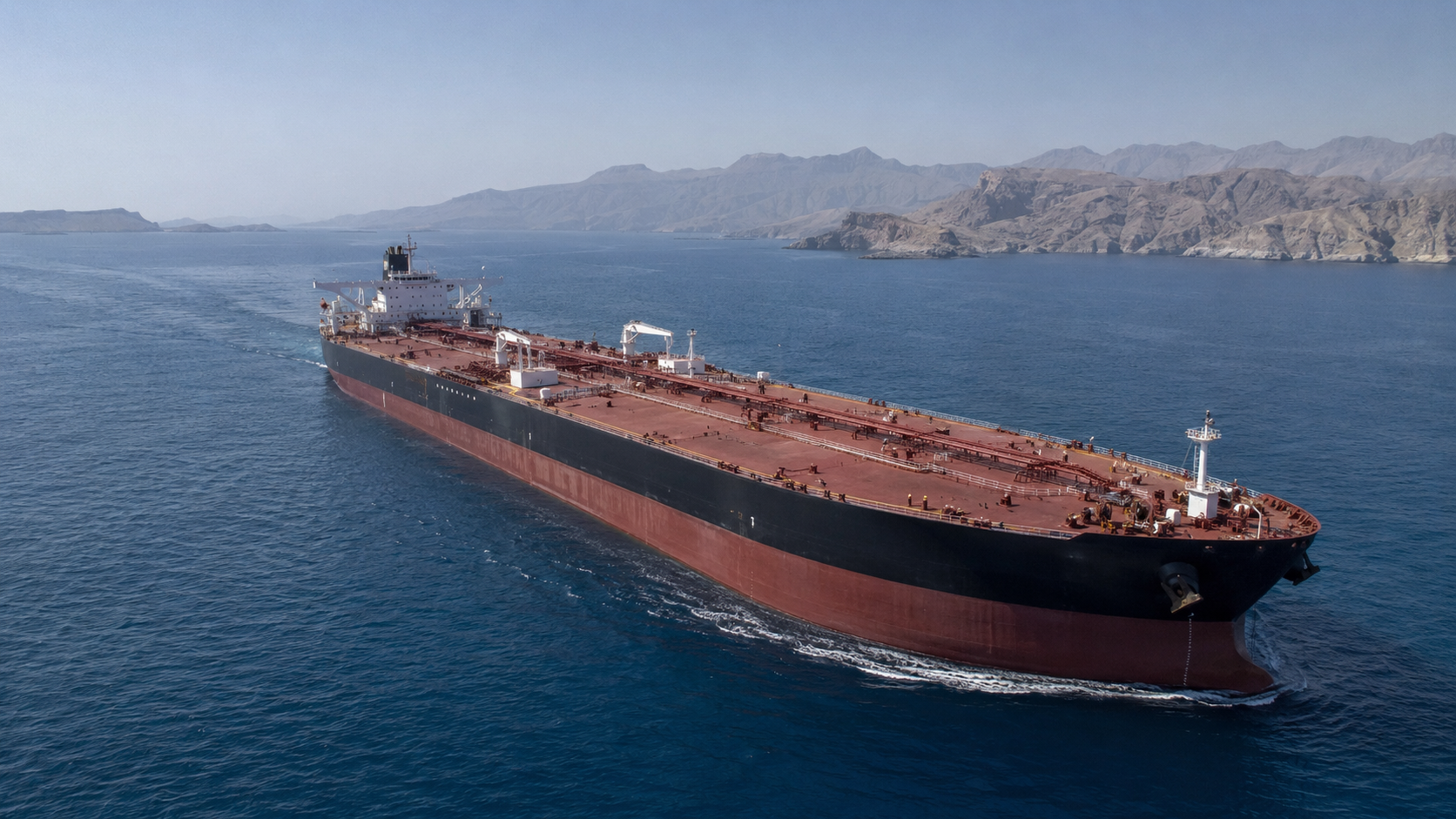
The text highlights that threats to key infrastructure, such as the Strait of Hormuz, can impact oil, transportation, inflation, food security, and the stability of international services. It also notes that some actors may benefit from the prolongation of the conflict, making a quick resolution more difficult.
The conclusion is that no conflict is truly distant; its effects spread across the economy, logistics, politics, information, and global perception.
What will you find
Conflict overview: open warfare, military pressure, and diplomatic confusion
Understand why the conflict does not follow the classical patterns of a land invasion, but instead reflects a high-intensity war characterized by naval attacks, airstrikes, regional attrition, and contradictory diplomatic messaging. The study shows how the coexistence of military offensives and negotiation pledges can function as a tool of psychological warfare.
The domino effect: why a strait can affect your wallet
Discover how the closure or blockade of a global energy artery can trigger a chain reaction affecting oil prices, transportation, inflation, food, and public services. The report connects the geopolitical crisis with concrete impacts on the daily economy of households, businesses, and governments.
The key actors: interests, responsibilities, and miscalculations
The study analyzes the roles of Israel, the United States, and Iran from a strategic perspective, avoiding a simplistic good-versus-evil framing. It examines their motivations, internal agendas, risks, and the ways in which their decisions can worsen a crisis that already exceeds a regional framework.
Timeline of a broken trust
Access a historical reading of the conflict, from the 1953 coup d’état to the breakdown of the nuclear agreement, the domino effect of Gaza, and the consolidation of direct attacks between state actors. This section helps explain how decades of distrust, interference, and failed agreements have prepared the ground for the current escalation.
Who benefits from chaos: the business of war
The report identifies the actors that may benefit from global disorder: energy powers, geopolitical competitors, regional monarchies, and the military-industrial complex. A key section for understanding why war can become a profitable structure for third parties, even when its social and economic consequences are devastating.
Outlook 2026–2030: scenarios of duration and a new normality
Explore three possible scenarios: a short resolution, a medium-term war of attrition, or a structural trap of prolonged instability. The analysis raises a central question: if war becomes permanent, are we facing a conflict with a defined end, or a new global normal based on recurring crises?
Fill out the form and download the study
The global butterfly effect of a geopolitical conflict.
Share study
Take the leap into the new era of organic visibility
Boost your brand presence on ChatGPT, Claude, Gemini, Perplexity, and the new AI environments where purchasing decisions are already being made.